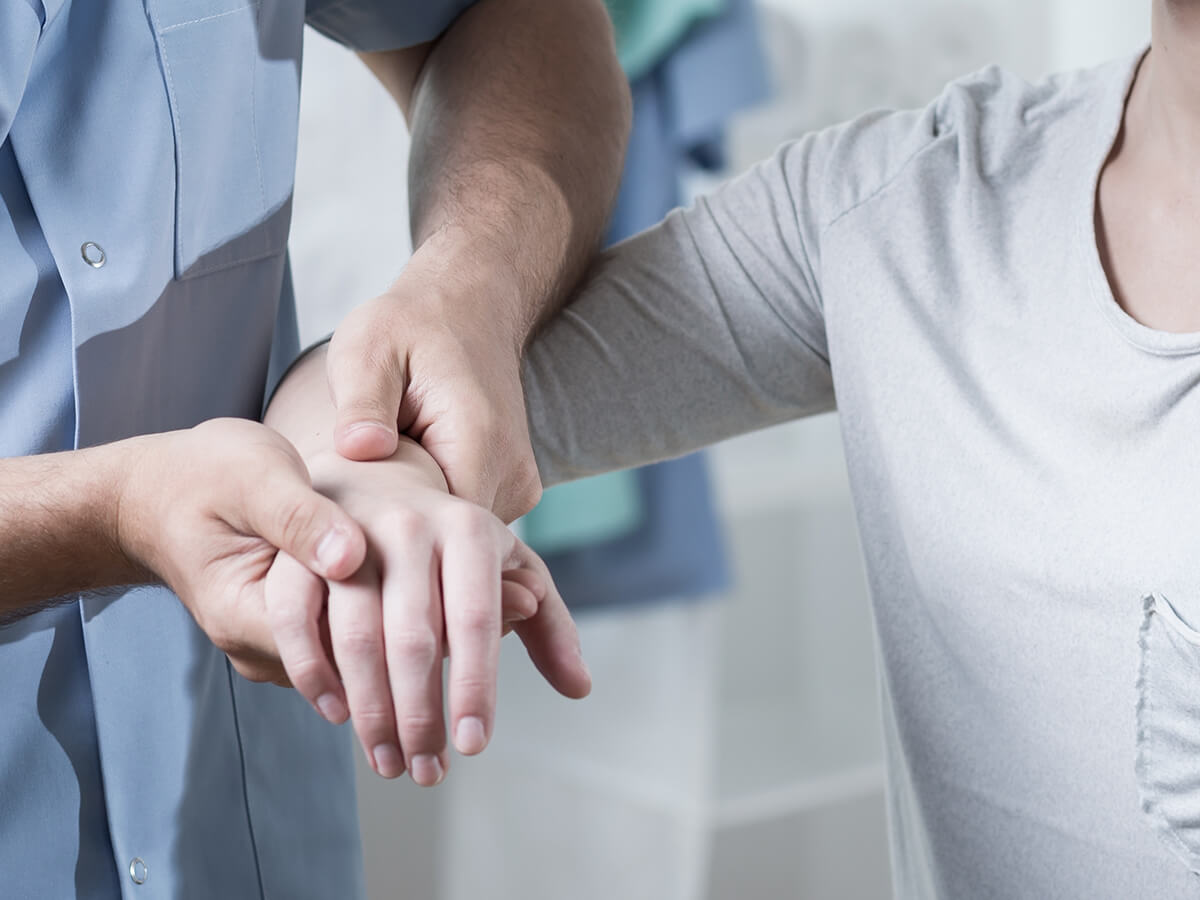
Waking up with a finger locked in a painful bent position disrupts daily life. Sharp pain and snapping sensations at the base of the digit will turn routine tasks into functional challenges. Targeted clinical intervention prevents permanent joint stiffness by providing conservative management strategies designed to restore anatomical movement.
What Causes the Locking Mechanism?
Stenosing tenosynovitis affects the critical flexor tendons responsible for bending the fingers downward. Understanding anatomical failure points demystifies the painful catching sensation patients experience during grasping activities.
The Role of the Protective Sheath
Tendons function like strong fibrous cords attaching forearm muscle tissue to the hand bones. They glide smoothly through a biological sheath lined with tenosynovium. Synovial tissue naturally reduces mechanical friction during repetitive movement. Constant physical irritation ultimately causes the protective sheath to thicken. Thickened sheaths reduce available gliding space. Tendon fibres will suffer microscopic damage.
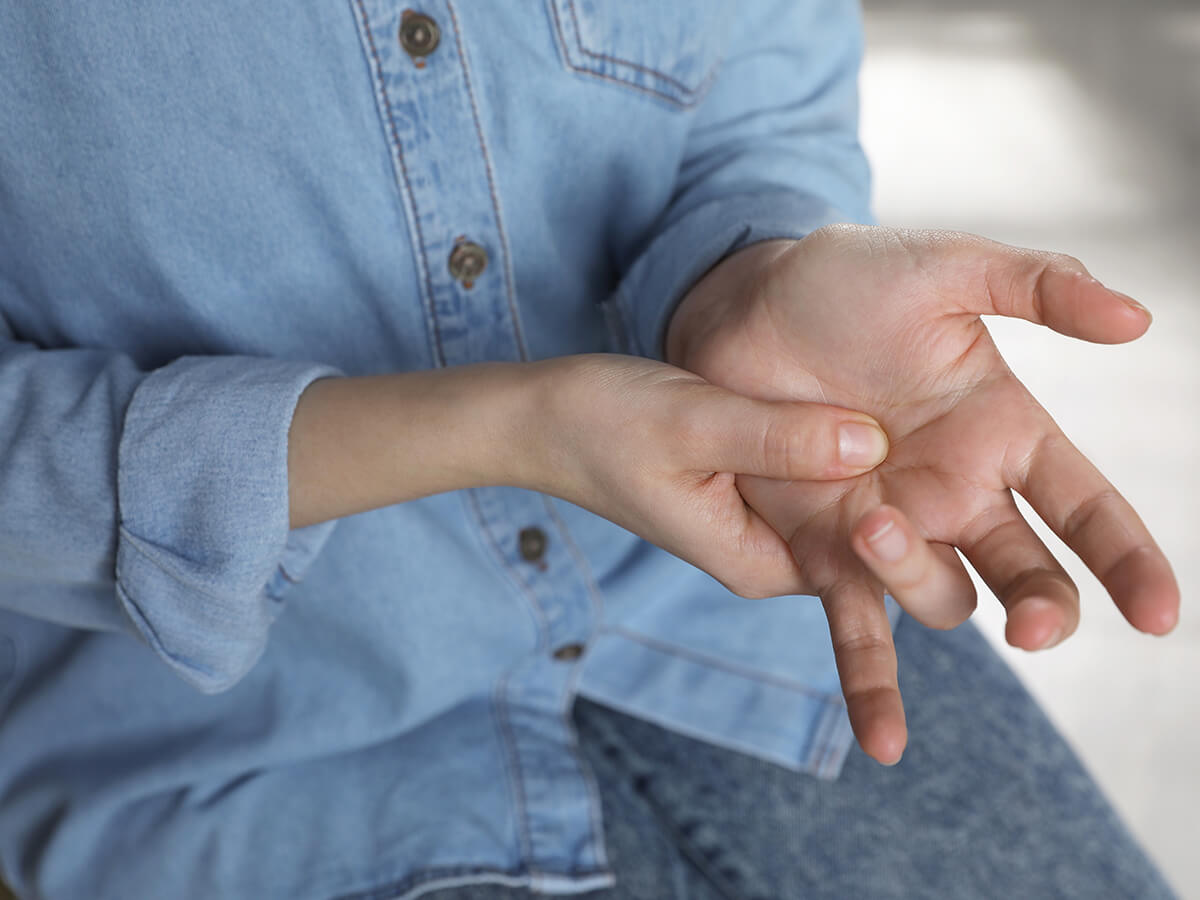
Localized Nodule Formation
The stressed flexor tendon eventually develops a hardened fibrous nodule. Bending the affected finger forces the swollen nodule to struggle through the narrowed sheath. Straightening the digit causes the nodule to catch forcefully on restrictive fibrous bands located at the base of the finger. Biological volume mismatches create a painful popping sensation requiring immediate clinical attention. Persistent catching perpetuates the inflammatory cycle.
Biomechanics of the Hand Pulley System
The hand operates through a complex biological pulley system designed for maximum mechanical advantage during grasping tasks. Structural assessment of these anatomical components reveals the true root of flexor tendon dysfunction.
Annular Pulley Functions
Annular pulleys hold the thick flexor tendons close to the underlying phalangeal bones. Maintaining close proximity prevents dangerous tendon bowstringing during active joint flexion. The A1 pulley sits precisely at the metacarpophalangeal joint. Physical force concentrates directly at the anatomical junction during heavy power grips and repetitive manual lifting. Preserving structural integrity ensures functional grip strength.
Responses to Mechanical Overload
Forceful finger flexion continuously micro-traumatizes the cellular tendon surface. Fibrocartilaginous metaplasia occurs directly within the pulley over an extended period. Surrounding connective tissue hardens and thickens in direct response to continuous physical stress. Hypertrophic scar tissue forms to worsen physical entrapment. The ongoing cycle of mechanical friction permanently alters delicate tissue structure without appropriate clinical intervention.
Can Custom Orthotics Prevent Surgery?
Immobilization remains a highly effective conservative treatment for early-stage stenosing tenosynovitis presentations. Custom-fabricated thermoplastic orthotics help restrict specific joint movements to stop mechanical aggravation and facilitate natural cellular healing processes.
Night Splinting Protocols
Fingers naturally curl into a tightened fist during deep sleep. Involuntary resting postures lock the damaged tendon for hours to cause painful unlocking upon waking. A rigid custom-moulded night orthosis firmly holds the affected digit in neutral extension. Protected positioning allows acute tissue inflammation to subside naturally. Preventing nocturnal mechanical catching accelerates the initial recovery phase.
Functional Daytime Support
Daytime splinting options allow necessary functional use of the fingertips while preventing full composite fist formation. Minimalist orthotic designs specifically restrict only the proximal interphalangeal joint.
Targeted restriction stops the fibrous nodule from sliding into tight spaces. Therapists adjust splint angles based on patient comfort levels and overall skin integrity. Proper orthotic management prevents conditions reaching surgical severity.
Targeted Interventions for Tendon Gliding
Structured physical rehabilitation safely introduces controlled purposeful movement back into the affected hand joints. Careful clinical progression prevents debilitating joint contractures while ensuring fragile healing tissues are not inadvertently overstressed.
Active Rehabilitation Strategies
Therapists employ specific physiotherapy techniques to rehabilitate digits without exacerbating the underlying cellular injury. Active isolated tendon gliding exercises target the flexor digitorum superficialis and profundus muscles directly.
Patients perform specific hook fists and straight fists systematically. Calculated physical movements slide flexor tendons through synovial sheaths at varying safe amplitudes. Restoring independent tendon glides successfully will separate superficial structures from deep structures.
Focused Modality Application
Gentle continuous movement nourishes the joint cartilage naturally and reduces localized soft tissue edema. Applying specific heat modalities increases localized blood flow prior to prescribed exercise. Warmed tissues accept mechanical loading much more effectively than stiff tissues.
Cold therapy immediately following physical activity reduces acute post-exercise inflammatory swelling. Supervised clinical application ensures maximum therapeutic safety for vulnerable connective tissues.
Advanced Clinical Evidence for Chronic Cases
Clinical guidelines for conservative hand rehabilitation evolve continuously alongside groundbreaking peer-reviewed medical literature. Employing modern researched modalities ensures patients consistently receive the most effective care available for stubborn conditions.
Multimodal Treatment Efficacy
Research continuously demonstrates single-modality approaches often fall short for persistent unyielding physical presentations. Combined A1 pulley and dry needling physiotherapy, along with conventional physiotherapy, effectively reduces pain and activity limitation in chronic trigger finger cases (Sahoo et al., 2023).
Evidence-based clinical practice dictates a comprehensive multi-faceted approach for superior patient outcomes. Integrating active and passive therapeutic interventions safely yields significantly higher success rates than isolated treatments.
Addressing Muscular Tension
Targeted therapeutic interventions address localized areas of high tension within the surrounding forearm musculature. Releasing tight forearm flexors immediately reduces constant resting tension on distal flexor tendons.
Decreased muscular tension directly lowers harmful mechanical friction at the A1 pulley interface. Assessing the condition’s chronicity dictates appropriate clinical progression and intensity level.
Ergonomic Modifications in the Workplace
Sustained physical recovery depends on successfully modifying the specific occupational activities directly responsible for the initial micro-trauma. Detailed workplace analyses correctly identify the daily ergonomic risk factors actively hindering normal soft tissue repair.
Industrial Tool Adjustments
Using heavy vibrating industrial hand tools exacerbates flexor tendon sheath irritation significantly. Anti-vibration safety gloves dampen damaging mechanical stress transmitted directly to vulnerable hands.
Tool handle circumferences must precisely match the user’s specific grip size. Undersized tool handles force extreme finger flexion. Oversized handles require excessive sustained grip force. Both scenarios strain fragile tendons during manual labour.
Digital Workstation Corrections
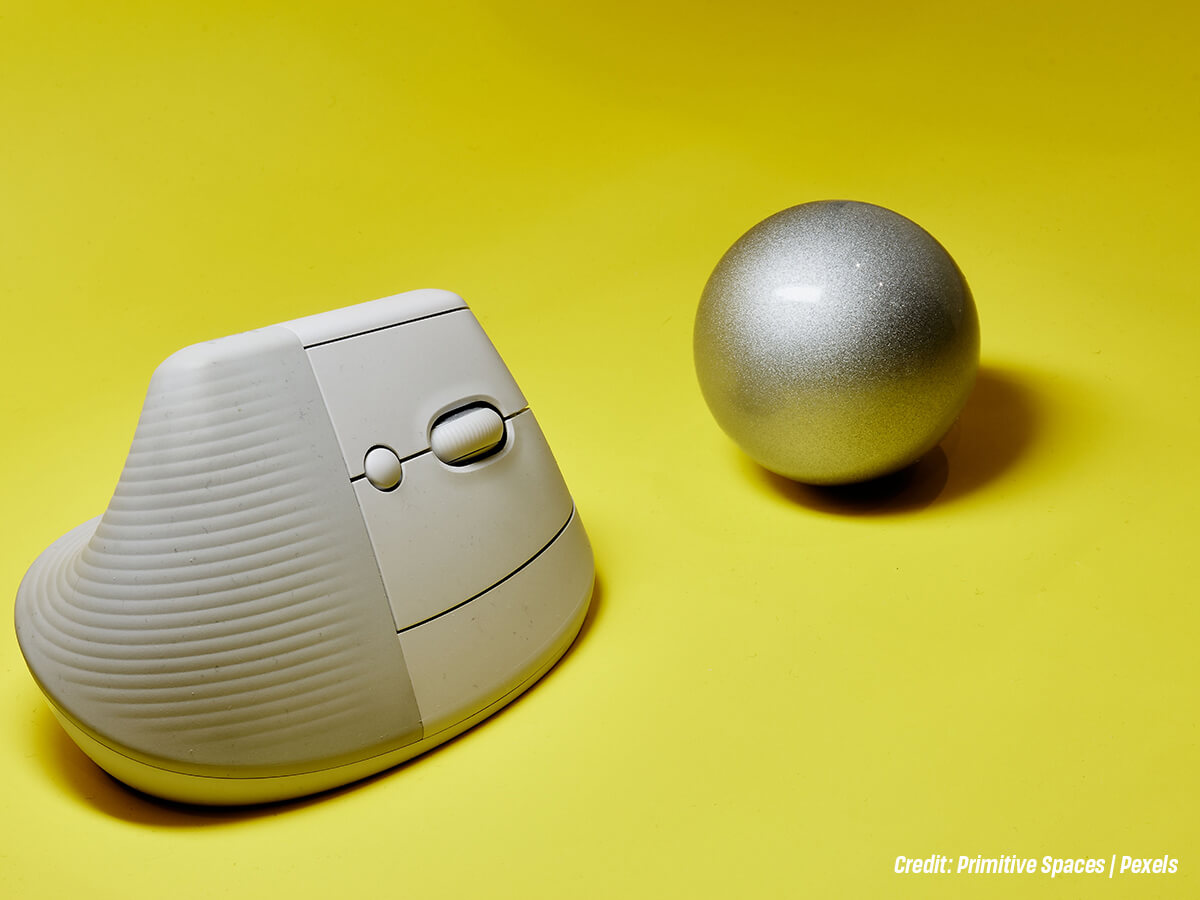
Continuous uninterrupted keyboard and computer mouse use contributes significantly to cumulative repetitive strain injuries. Ergonomic vertical mice position the human hand in a neutral relaxed handshake posture. Correct positioning significantly reduces flexor tendon tension.
Frequent micro-breaks allow cellular tissue recovery during standard work hours. Task rotation prevents continuous mechanical loading of the same vulnerable hand structures. Proper desk height maintains neutral wrist alignment.
The Physiological Stages of Tissue Healing
Understanding cellular tissue healing timelines sets highly realistic clinical recovery expectations for affected individuals. Connective tissue repairs itself through distinct biologically predictable phases requiring carefully timed therapeutic management strategies for optimal recovery.
The Acute Inflammatory Phase
The active inflammatory phase dominates the first several days following a painful injury flare-up. Pronounced soft tissue swelling, localized skin redness, and severe joint pain present acutely.
Clinical treatment focuses solely on strict biological tissue protection and aggressive inflammation reduction. Heavy physical stretching during the fragile window exacerbates the cellular inflammatory response. Total physical rest remains paramount initially.
Remodelling and Maturation
Subsequent cellular proliferative phases follow the initial inflammation to lay down new unorganized collagen fibres. Controlled mechanical physical stress guides the new collagen fibres to align along natural lines of physiological tension.
Maturation continues for several consecutive months. Returning to heavy lifting activities prematurely risks disrupting fragile connective tissue. Gradual physical loading guarantees the repaired tendon withstands occupational demands.
Patient-Centred Home Exercise Programmes
Supervised clinical physical therapy sessions provide only a small fraction of the total necessary rehabilitation volume. A structured individualized home exercise programme ensures continuous therapeutic progress occurs between scheduled clinic visits.
Consistent Therapeutic Dosing
Healthcare therapists design home routines based on the patient’s unique biomechanical presentation. High daily repetitions of low-resistance physical movements promote tendon nourishment without causing detrimental muscular fatigue.
Routine consistency remains the most critical factor for long-term functional success. Patients receive written instructions regarding the daily frequency and duration of their exercises. Diligent home compliance accelerates clinical recovery.
Implementing Progressive Overload
Detailed visual physical aids and comprehensive written physical descriptions actively prevent improper home exercise form. Performing prescribed physical movements incorrectly places undue dangerous stress on vulnerable finger structures.
Therapists closely monitor home exercise compliance and systematically adjust physical exercise difficulty as the healing tissue tolerates more mechanical load. Active daily patient participation leads directly to long-lasting clinical outcomes.
Preventing Recurrence Through Joint Protection
Sustaining functional recovery requires permanently adopting safe physical mechanics during routine daily activities. Proactive joint protection strategies prevent future tendon irritation and eliminate mechanical friction responsible for original inflammatory flare-ups.
Activity Pacing Techniques
Chronic repetitive strain occurs when physical demand consistently exceeds natural tissue capacity. Therapists instruct patients to break heavy manual tasks into shorter manageable segments.
Taking frequent micro-breaks allows vulnerable flexor tendons sufficient time to recover fully between strenuous activities. Distributing physically demanding chores throughout the entire week prevents acute mechanical overload on any single day.
Adapting Grasping Mechanics
Patients learn to alter physical grip techniques to reduce peak force placed directly on the delicate A1 pulley. Distributing heavy functional loads across larger upper extremity joints protects smaller vulnerable hand structures perfectly. Using two hands to carry heavy objects minimizes direct physical stress on healing fingers. Modifying habitual grasping patterns ensures long-term flexor tendon health.
Reclaim Your Hand Function Today
Living with a painfully locked digit severely limits daily independence and physical comfort. Focused rehabilitation protocols can help restore hand biomechanics and alleviate pain safely. Secure your comprehensive physical assessment for physiotherapy in Yonge and Eglinton. Book an appointment with Davisville Yonge Clinics today by calling (416) 481-6100.