
Losing body strength and watching your muscles shrink can feel incredibly alarming, especially when you are trying to recover your normal lifestyle. Whether you are dealing with a sudden injury or a long-term medical problem, seeing your body lose its natural tone affects both your physical abilities and your daily confidence.
Fortunately, targeted physical rehabilitation offers a clear and reliable path to stop this decline, rebuild your strength, and protect your joints. For those looking for local care, seeking professional physiotherapy in Yonge and Eglinton provides access to structured recovery plans that help you safely reclaim your movement and live without limitations.
Why Muscle Wasting Happen
Experiencing a noticeable drop in your physical strength often points to underlying changes in how your body uses its muscular system. Learning about the different reasons behind this change is the first step toward finding the right treatment path for your body.
- Disuse Atrophy Stage: This condition happens when you stop using your muscles enough due to a lack of regular movement or physical activity. It often affects people who have desk-bound jobs or those who are resting after a major illness. Regular movement and physical therapy can usually reverse this specific type of tissue loss completely.
- Post-Injury Immobilization: Keeping a limb completely still inside a cast or splint causes the surrounding tissues to shrink very rapidly. Even a few weeks without movement can lead to a significant drop in your overall power and coordination. Commencing rehabilitation early helps reawaken these tissues and prevents permanent joint stiffness from setting in.
- Age-Related Sarcopenia: The human body naturally begins to lose a small percentage of its muscle mass and strength every year after middle age. This slow decline can make everyday tasks like walking or climbing stairs feel much more difficult over time. Staying active with targeted exercises is essential to keep your body strong as you age.
- Neurogenic Tissue Loss: This problem occurs when an injury or a specific medical condition damages the nerves that connect directly to your muscle fibers. It is a more complex issue because the tissue stops receiving the vital signals it needs to contract. Consistent therapy is required to keep the pathway active and protect the remaining tissue from fading.
- Chronic Illness Depletion: Chronic health conditions like kidney disease, heart failure, or severe inflammation can accelerate systemic tissue loss over time. This happens because the body stays in a constant state of stress, which causes it to break down muscle tissue for energy much faster than normal. Targeted physical therapy helps slow down this process by keeping your remaining muscle fibers as active and efficient as possible.

The Role of Physiotherapy in Rebuilding Muscle Mass
Trying to fix muscle loss on your own by doing heavy exercises can easily cause unexpected strains or joint pain. A structured physiotherapy program ensures that your recovery is completely safe, balanced, and perfectly suited to your current physical limits.
- Baseline Strength Evaluation: A professional physiotherapist will carefully measure your current movement limits and identify specific weak areas across your body. This detailed check ensures that your program matches your actual physical capabilities without causing unnecessary strain. Having an accurate starting point helps ensure your long-term success throughout the recovery process.
- Neuromuscular Re-education: This process focuses on retraining your brain to send strong, clear signals back to the weak muscle groups. It helps ensure that the correct fibers are actually working when you attempt to move your limbs. Better communication within your nervous system prevents other parts of your body from overworking.
- Hypertrophy Training Setup: This method uses specific, controlled movements designed to safely increase the physical size of your weakened muscle fibers. It relies on gradual adjustments to ensure your body grows stronger without experiencing sudden setbacks or injuries. Consistent stimulation encourages your body to rebuild the tissue it lost.
- Joint Support Improvement: Building up the smaller surrounding muscles helps keep your vulnerable joints steady and safe during daily activities. This extra protection lowers your risk of experiencing secondary pain in areas like your knees, hips, or lower back. Keeping your joints steady makes every movement feel much more secure.
- Compensatory Movement Correction: This intervention addresses the bad movement habits your body develops to protect a weak or shrinking muscle group. Left uncorrected, these altered patterns can place uneven mechanical stress on healthy tissues and cause secondary injuries. Restoring natural movement mechanics balances your physical workload evenly across the entire skeletal structure.
Core Physiotherapy Modalities for Atrophy
Recovering from tissue loss requires a variety of safe, evidence-based physical techniques to stimulate growth and improve your circulation. Utilizing a combination of these therapeutic methods helps speed up your recovery while keeping your pain levels low.
- Progressive Overload Training: This foundation method involves using light weights, resistance bands, or your own body weight to challenge your tissues gently. The level of difficulty increases very slightly over time as your physical power begins to return. This continuous pattern of small adjustments safely stimulates real, lasting muscle growth.
- Neuromuscular Electrical Stimulation: This therapy utilizes safe, gentle electrical currents to make specific weak muscles contract without requiring your own effort. It is incredibly helpful for individuals who are currently unable to move their limbs due to nerve issues or severe weakness. The external stimulation keeps the tissue active and working while you recover.
- Hydrotherapy Program: Performing your prescribed movements inside a pool reduces the heavy pressure of gravity on your painful joints. The natural resistance of the water helps build up your strength smoothly while keeping your body completely safe from high-impact jars. It is an excellent way to practice moving when land exercises feel too difficult.
- Manual Therapy Care: Hands-on joint stretching and tissue movement help improve your local blood circulation and reduce overall stiffness. This care delivers vital oxygen and nutrients directly to your recovering tissues to help them heal much faster. Keeping your joints flexible ensures you can complete your exercises with a full range of motion.
Maximizing Results for Fast Recovery
Achieving real success against muscle loss requires looking at your overall daily habits alongside your clinical therapy sessions. Bringing these different healthy choices together ensures that your body has everything it needs to rebuild successfully.
- Home Exercise Compliance: Doing your prescribed daily movements at home ensures that your body keeps progressing between your actual clinic visits. These small, daily sessions reinforce the work done with your therapist and keep your joints moving freely. Consistency at home is often the secret to seeing faster results.
- Functional Goal Tracking: Measuring real-life improvements, such as standing up from a chair more easily, helps track your true progress accurately. Looking at what your body can actually do is far more meaningful than just checking your appearance in a mirror. Celebrating these small daily victories keeps you motivated throughout your journey.
- Rest and Repair Balancing: Giving your body enough time to sleep and rest allows your tissues to heal and rebuild after your workouts. Muscles actually grow and repair themselves during periods of deep rest rather than during the actual exercise sessions. Balancing your physical activity with proper rest prevents chronic fatigue and overtraining.
Evidence-Based Support for Reconstruction
Using physical therapy to manage and reverse tissue loss is backed by extensive scientific research. Clinical studies continually show that structured movement programs are the most effective way to address muscle decline.
According to research exploring modern rehabilitation methods, customized resistance training combined with specific physical techniques significantly improves muscle volume and functional power in recovering individuals (Guo et al., 2025). This evidence proves that a planned approach to movement can directly reverse the structural changes caused by long periods of inactivity.
Furthermore, studies focusing on long-term physical recovery demonstrate that early therapeutic intervention prevents joint stiffness, counteracts weakness, and protects overall mobility during periods of prolonged bed rest or hospital stays (Padilha et al., 2026). These clinical findings highlight the immense value of starting a supervised exercise program as soon as possible to preserve your independence and physical health.
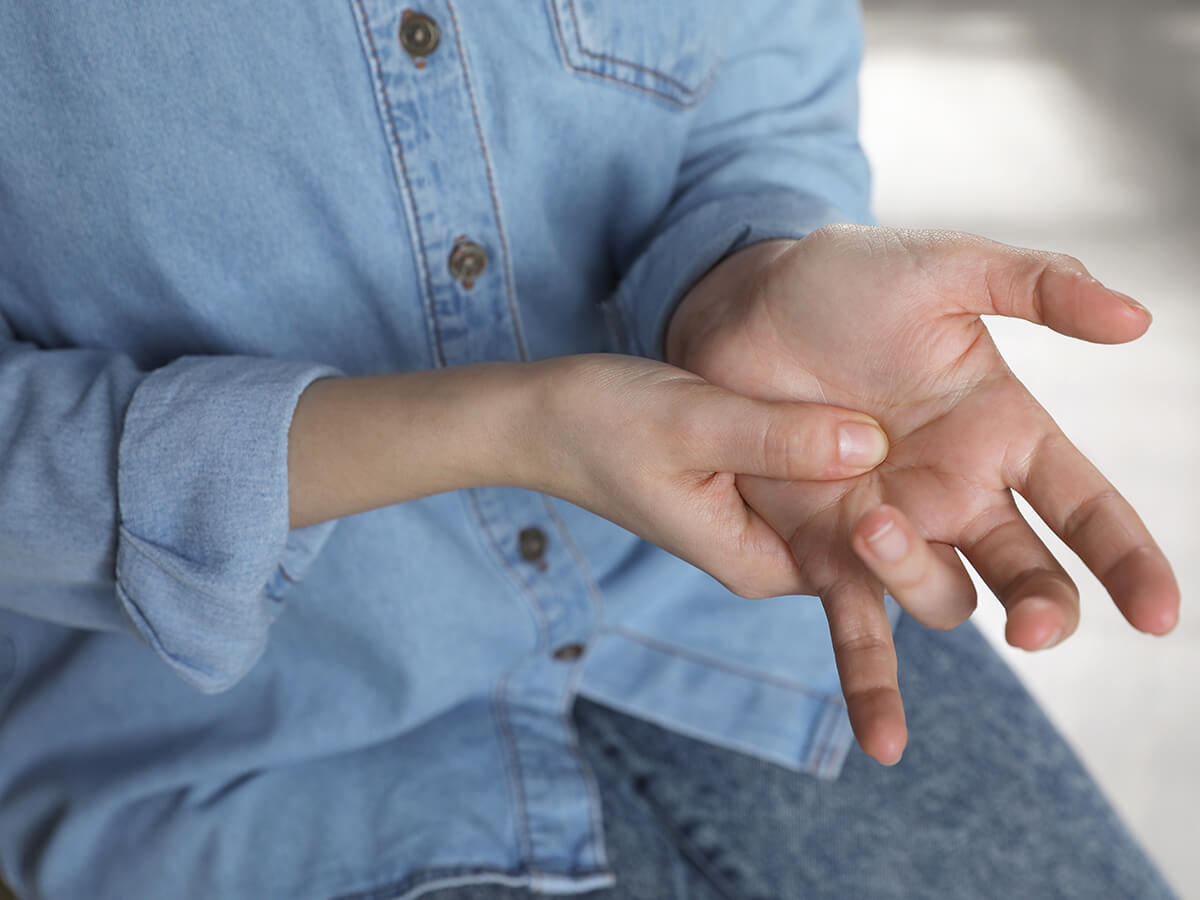
Reclaim Your Strength at Davisville Yonge Clinics
If you are noticing a drop in your physical strength or find it harder to move around easily, you do not have to handle this recovery journey all on your own. At Davisville Yonge Clinics, our team is completely dedicated to helping you rebuild your physical power, improve your overall balance, and get back to living your life comfortably. We understand that traveling for care can sometimes feel challenging, which is why our central location is highly convenient and easily accessible for patients looking for dedicated rehabilitation programs in the area.
We take the time to design personalized recovery plans that focus on your specific health goals, using a gentle combination of therapeutic movements and hands-on care. Whether you need help recovering from a recent injury or want to stop age-related weakness, we will guide you safely through every single step of your rehabilitation journey.
Do not let muscle loss limit your daily freedom or keep you from doing the activities you enjoy. Call us today at (416) 481-6100 to book your personal assessment, and let us help you experience the long-term benefits of dedicated physiotherapy in Yonge and Eglinton.