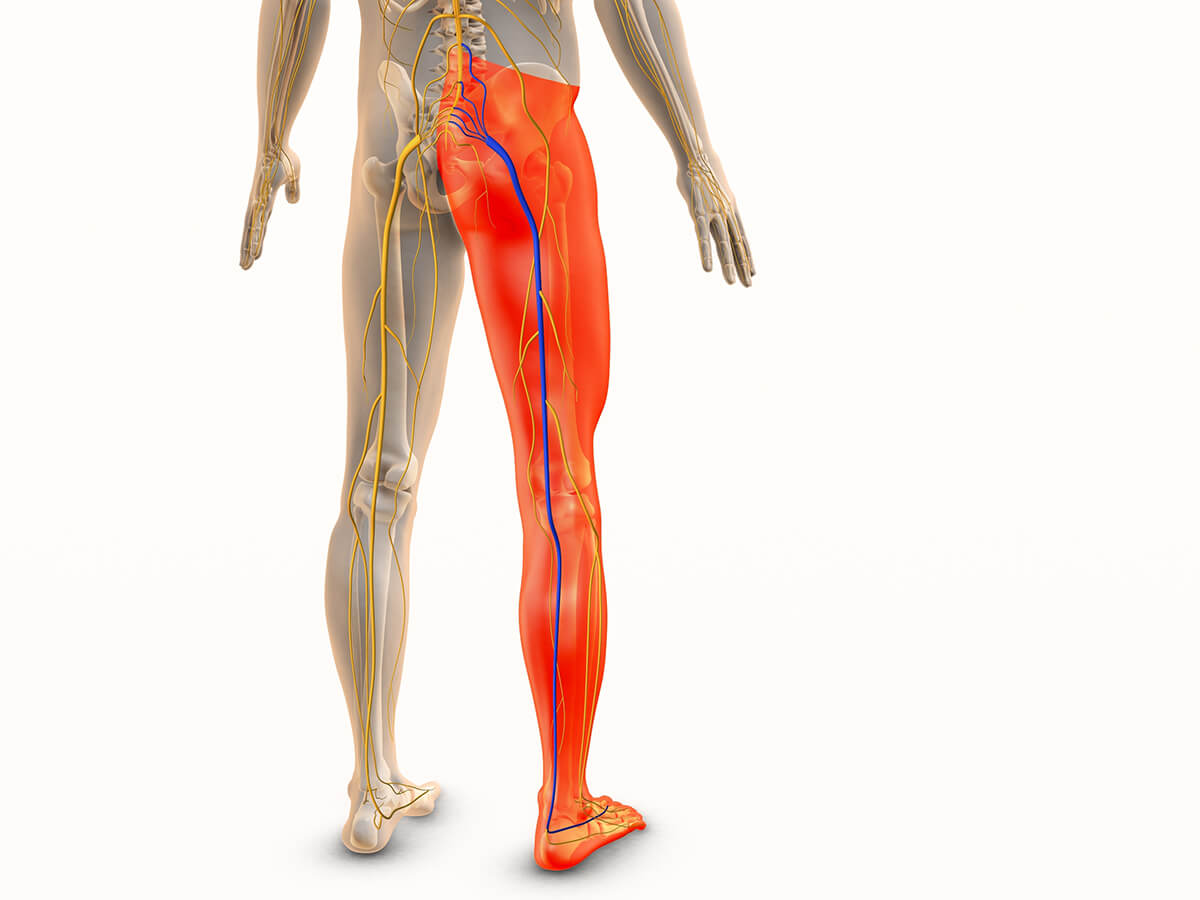
The sharp, radiating pain of sciatica can quickly disrupt daily routines and make even simple tasks feel overwhelming. Whether it’s walking, sitting, or trying to sleep, the constant ache demands attention. Massage therapy provides a non-invasive option that many find effective for easing this persistent discomfort.
Let us uncover the nine practical tips to relieve sciatica symptoms through massage, along with key considerations to support long-term comfort.
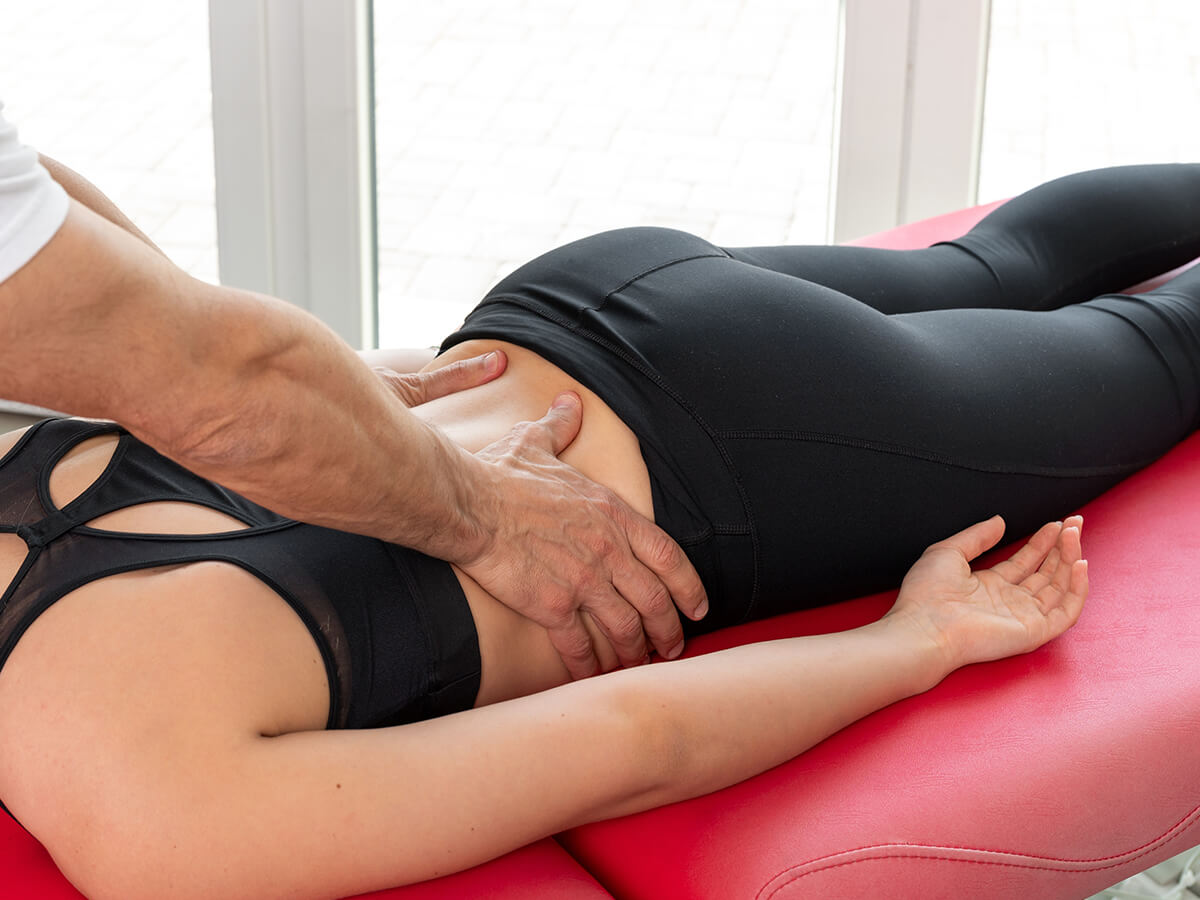
Sciatica Pain Explained: The Role of Massage in Relief
Managing sciatica starts with understanding its cause and how massage therapy can ease the pain. Sciatica refers to discomfort that follows the sciatic nerve, which runs from the lower back through the hips and down each leg.
This pain usually stems from compression or irritation of the nerve, often due to a herniated disc, spinal stenosis, or piriformis syndrome. In some cases, conditions like spondylolisthesis or pregnancy may also contribute. Recognizing these causes helps identify which areas need attention and how massage can provide targeted relief.
Massage therapy is a form of chronic pain management that supports sciatica relief by relaxing tight muscles pressing on the nerve, especially in the lower back, buttocks, and hamstrings.
Massage also improves blood circulation, which helps deliver nutrients and oxygen to inflamed areas, promoting faster recovery. It encourages the release of endorphins and blocks pain signals to the brain, providing natural relief. By reducing muscle tightness, it enhances flexibility and mobility, easing the physical strain that worsens sciatic pain.
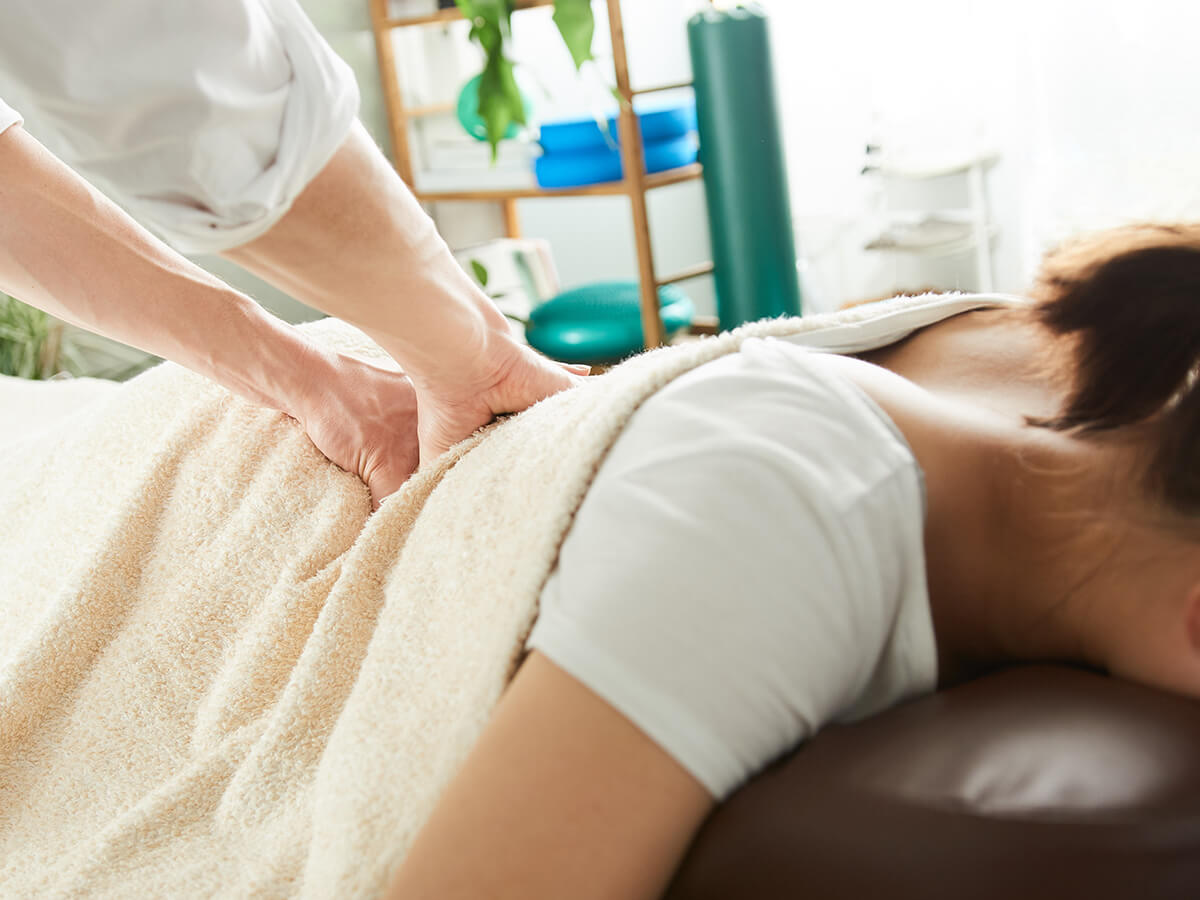
Massage for Sciatica: 9 Essential Tips
Sciatica requires a thoughtful approach, and integrating massage therapy can be incredibly beneficial. These nine tips will guide you in effectively using massage to alleviate your symptoms and improve your daily comfort. Each tip focuses on a specific aspect, from selecting the right technique to combining massage with other supportive practices.
- Identify the Right Type of Massage
Choosing the correct massage technique is paramount for effective sciatica relief. Different styles target various muscle layers and issues, so understanding their benefits can guide your decision.
- Deep Tissue Massage
Deep tissue massage works by applying firm pressure to reach the deeper layers of muscle and fascia. This technique helps break down adhesions and relieve chronic tension, making it particularly useful for addressing long-term tightness that puts pressure on the sciatic nerve.
- Swedish Massage
Though lighter in pressure, Swedish massage promotes relaxation and boosts circulation, which can ease muscle tension and support healing. It’s a safer option during acute flare-ups when deeper pressure may be too intense.
- Focus on Key Muscle Groups
Targeting the right muscles is key to relieving pressure on the sciatic nerve. A trained massage therapist can focus on areas that often cause compression and help ease the pain.
The piriformis muscle, deep in the buttocks, is a common source of irritation since the sciatic nerve often passes through or beneath it. Tight gluteal muscles can also contribute, as they affect hip movement and posture. Hamstring tension may pull on the pelvis and disrupt spinal alignment, making sciatica worse. In addition, tight lower back muscles and hip flexors can create imbalances that increase strain on the nerve.
- Communication with Your Therapist is Key
Clear communication with your massage therapist helps ensure you receive the most effective treatment. By sharing how you’re feeling and what you’re experiencing, your therapist can better adjust their approach to meet your needs.
Start by describing your symptoms in detail, including where the pain is, how intense it feels, and what kind of pain it is—whether it’s sharp, burning, or dull. Using a pain scale from 1 to 10 makes it easier for them to understand your discomfort level. During the session, speak up if the pressure feels too strong or too light so they can stay within your comfort zone. It’s also important to mention your full medical history, any medications you’re taking, and past treatments you’ve had for sciatica or other health concerns.
- Incorporate Self-Massage Tools (with Caution)
Between massage appointments, self-massage tools can provide short-term relief and help keep your muscles flexible. They are useful, but it’s important to use them properly to avoid making your symptoms worse.
Foam rollers work well for gently rolling out the glutes and hamstrings, but you should avoid rolling directly on your spine. Massage balls, like a lacrosse or tennis ball, are helpful for targeting tight spots in the piriformis and glute muscles.
Massage sticks can also help loosen the hamstrings and quadriceps, which often affect lower body tension. However, never apply direct pressure on your spine or the path of the sciatic nerve. If you feel more pain, numbness, or tingling, stop right away and ask your therapist or doctor for advice.
- Consistency is Crucial, Not Just Intensity
When dealing with sciatica, regular and moderate massage sessions often work better than occasional deep or intense treatments. Keeping a consistent schedule helps reduce muscle tension and prevents it from building up again.
Shorter, frequent sessions provide steady progress and lasting relief without overwhelming your body. This routine acts as muscle maintenance, helping to avoid painful flare-ups before they start. Always pay attention to how your body responds—never push through sharp or intense pain. Your therapist can adjust their pressure and technique based on your feedback to keep the session safe and effective.
- Combine Massage With Other Therapies
Massage therapy can help manage sciatica, but it’s more effective when paired with other supportive treatments. A well-rounded approach targets different causes of your pain and helps improve results.
Stretching the piriformis, hamstrings, and glutes can ease tightness and build on the muscle relief from massage. Strength exercises, especially for the core and glutes, improve support for your spine and pelvis. These should be done with guidance from a physical therapist to prevent strain. Heat therapy can loosen muscles before a session, while cold packs help reduce swelling afterward. Adding physical therapy or chiropractic care can further support your recovery and reduce pain over time.
- Pay Attention to Posture and Ergonomics
Good posture and daily ergonomic habits can ease pressure on your sciatic nerve. While massage therapy relaxes tight muscles and improves alignment, keeping good posture throughout the day is your responsibility.
Start by sitting with proper back support, both feet flat on the floor, and avoid crossing your legs for long periods. When standing, keep your weight balanced and avoid locking your knees. Use your legs—not your back—when lifting heavy objects by bending your knees. At night, sleep on your side with a pillow between your knees or on your back with a pillow under them to support spinal alignment. Regular massage makes it easier to hold these positions by reducing the muscle tension that throws your body off balance.
- Listen to Your Body and Know When to Seek Medical Attention
Massage therapy can help relieve sciatica, but it’s also important to listen to your body. Some symptoms may point to a more serious condition that needs medical attention.
Watch for warning signs like increasing pain, weakness in your leg or foot, or problems with bladder or bowel control. These may signal cauda equina syndrome, which requires immediate medical care. If your pain is severe or long-lasting, speak with a doctor before starting massage therapy. This helps ensure you’re choosing the right approach for your condition. While massage can ease discomfort, it should be part of a broader treatment plan—not your only solution.
Relieve Your Sciatica Pain at Davisville Yonge Clinics
Sciatica can disrupt your daily life, but you don’t have to manage it alone. The team at Davisville Yonge Clinics offers registered massage therapy Toronto residents rely on for real, lasting relief. Our approach targets the cause of your discomfort with techniques tailored to your needs. With consistent care, you can ease pain, improve mobility, and move forward with confidence.
Book your consultation at Davisville Yonge Clinics at (416) 481-6100, and feel the impact of personalized registered massage therapy built around your comfort.