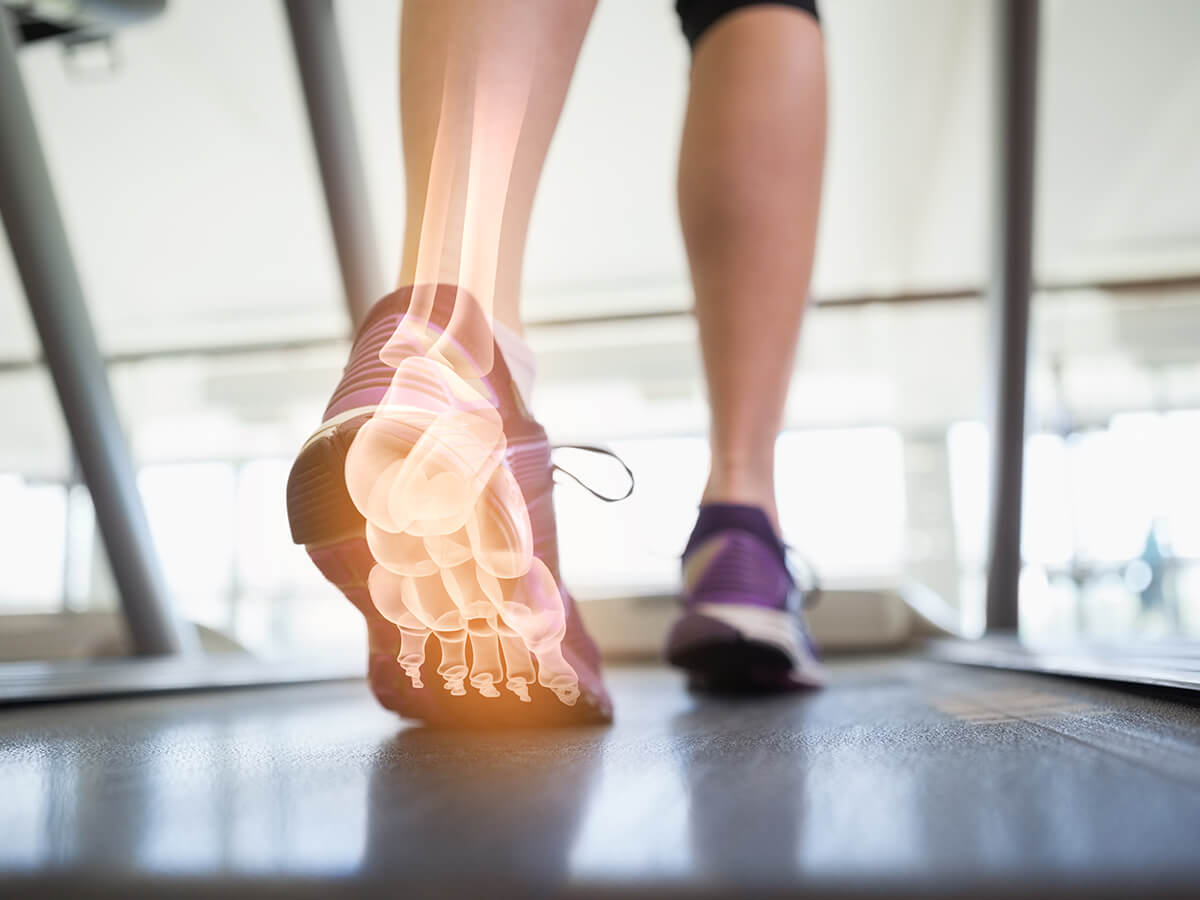
Many individuals wake up with a stiff lower back or persistent knee pain that lingers throughout the morning. Often, the blame falls on a mattress or a desk chair, yet the discomfort continues even after ergonomic upgrades. This physical strain often stems from the ground up rather than the torso or spine.
The human body operates as a kinetic chain where every joint and muscle group influences the next. Since the feet serve as the primary foundation, any structural deviation at the base forces the ankles, knees, hips, and spine to shift. This article outlines how to identify postural issues from foot misalignment and provides steps to restore structural balance.
How Does Foot Alignment Affect Your Posture
The way your feet strike the ground determines how weight is distributed across your skeleton. When the arches fail to provide adequate support, the legs rotate inward or outward to compensate. This shift alters the tilt of the pelvis and the curvature of the spine.
- The Kinetic Chain Effect
When feet flatten or roll inward, the shins and thighs rotate internally. This mechanical shift pulls on the hip sockets and forces the lower back to arch excessively. Proper biomechanical foot alignment ensures that force travels vertically through the joints without causing unnecessary rotational stress on the spine.
- Pelvic Tilt and Spinal Curves
Misaligned feet often lead to an anterior pelvic tilt, where the hips lean forward. This position creates a deep hollow in the lower back and causes the shoulders to round forward to maintain balance. Restoring natural foot mechanics helps level the pelvis and reduces strain on the vertebrae.
- Muscle Overcompensation and Fatigue
Poor alignment forces specific muscle groups to work harder than intended to keep the body upright. Constant tension in the calves or hamstrings often indicates the body is fighting to stay stable. Correcting foot-to-posture links allows muscles to relax and function within their designed range of motion.
- Weight Distribution and Balance
An uneven foot strike causes one side of the body to bear more weight than the other. This asymmetry leads to one shoulder dropping or one hip sitting higher. Balanced weight distribution in feet is essential for maintaining a symmetrical frame and preventing long-term wear on joint cartilage.
- Impact on Joint Longevity
Chronic misalignment subjects the knees and ankles to uneven pressure, which can accelerate the degradation of connective tissues. Research by the Canadian Podiatric Medical Association suggests that early intervention in gait issues prevents secondary joint damage. Proper foot arch support acts as a shock absorber for the entire skeleton.
6 Warning Signs to Look Out For
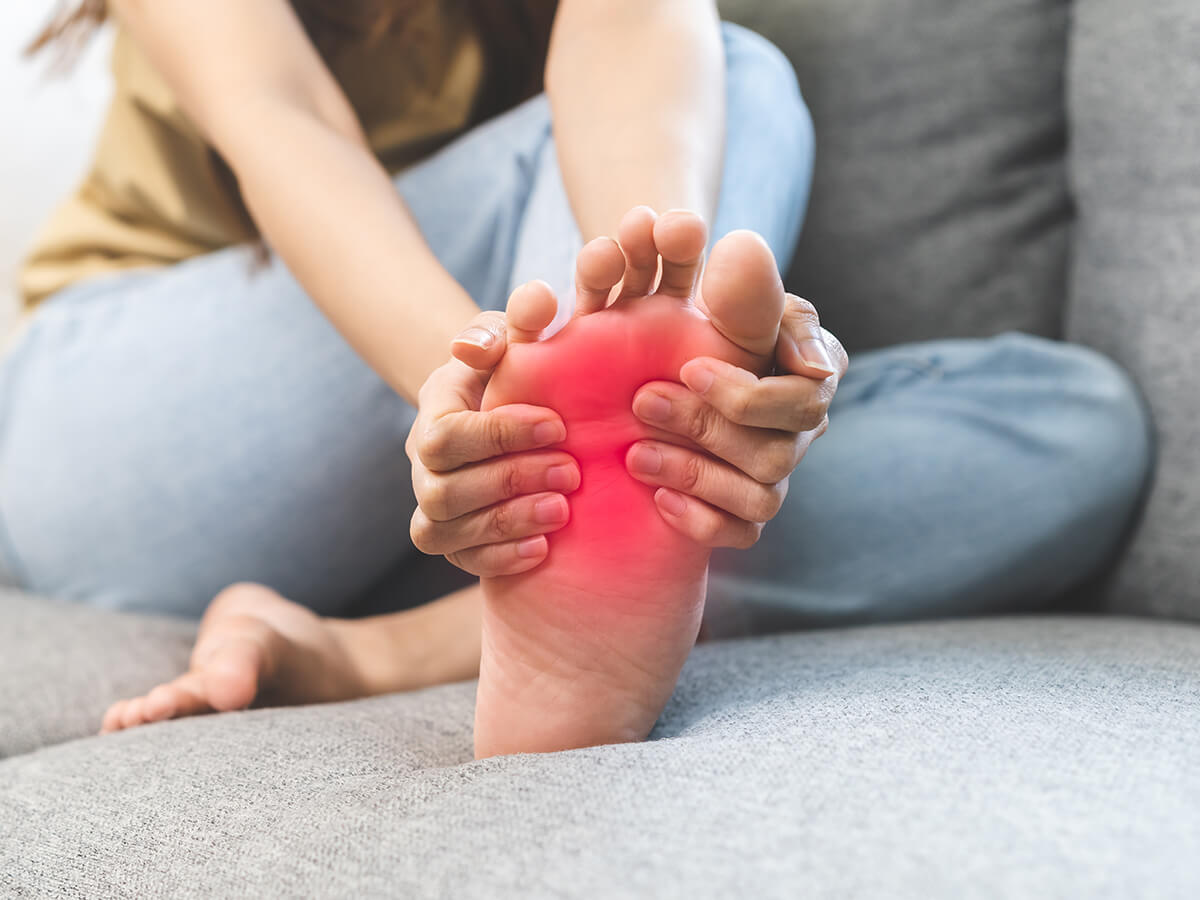
Identifying the subtle cues of structural trouble allows for faster recovery and less pain. Your body often provides clear physical signals when the foundation is failing. Watching for these foot-related posture warnings can help you address the root cause before it leads to chronic injury.
- Uneven Shoe Wear Patterns
Look at the soles of your favourite shoes for signs of asymmetrical thinning. Heavy wear on the inside or outside edges suggests your feet are not hitting the ground flat. Abnormal shoe tread wear is a reliable indicator that your gait is pulling your posture off-centre.
- Persistent Unilateral Hip Pain
Feeling discomfort only on one side of your lower body often points to a leg length discrepancy or uneven arches. When one foot collapses more than the other, the hip must drop to compensate. Foot-induced hip misalignment causes localized inflammation and reduces your overall range of motion.
- Recurring Tension Headaches
It sounds unlikely, but your feet can cause pain in your skull through the myofascial chain. A forward-leaning posture caused by poor foot support puts immense pressure on the neck muscles. Correcting stance for headache relief involves looking at how your heels support your head’s weight.
- Flattened Arches While Standing
Observe your feet in a mirror; if the space beneath your arch disappears when you stand, your foundation is unstable. This collapse forces the entire leg to twist inward, which stresses the knee joint. Overpronation and posture issues are closely linked to this loss of structural integrity.
- Chronic Lower Back Stiffness
A stiff back in the morning that does not improve with stretching may be a sign of poor foot mechanics. Without a solid base, the lumbar spine loses its natural support system and remains under constant tension. Foot support for back health is a primary factor in long-term comfort.
- Frequent Ankle Sprains or Instability
If you find yourself “rolling” your ankle often, your foot alignment is likely compromised. Weakness at the base makes it difficult for the brain to sense where the body is in space. Improving proprioception through foot alignment helps stabilize your walk and protects your upper body.
How to Fix Your Foundation and Fix Your Posture
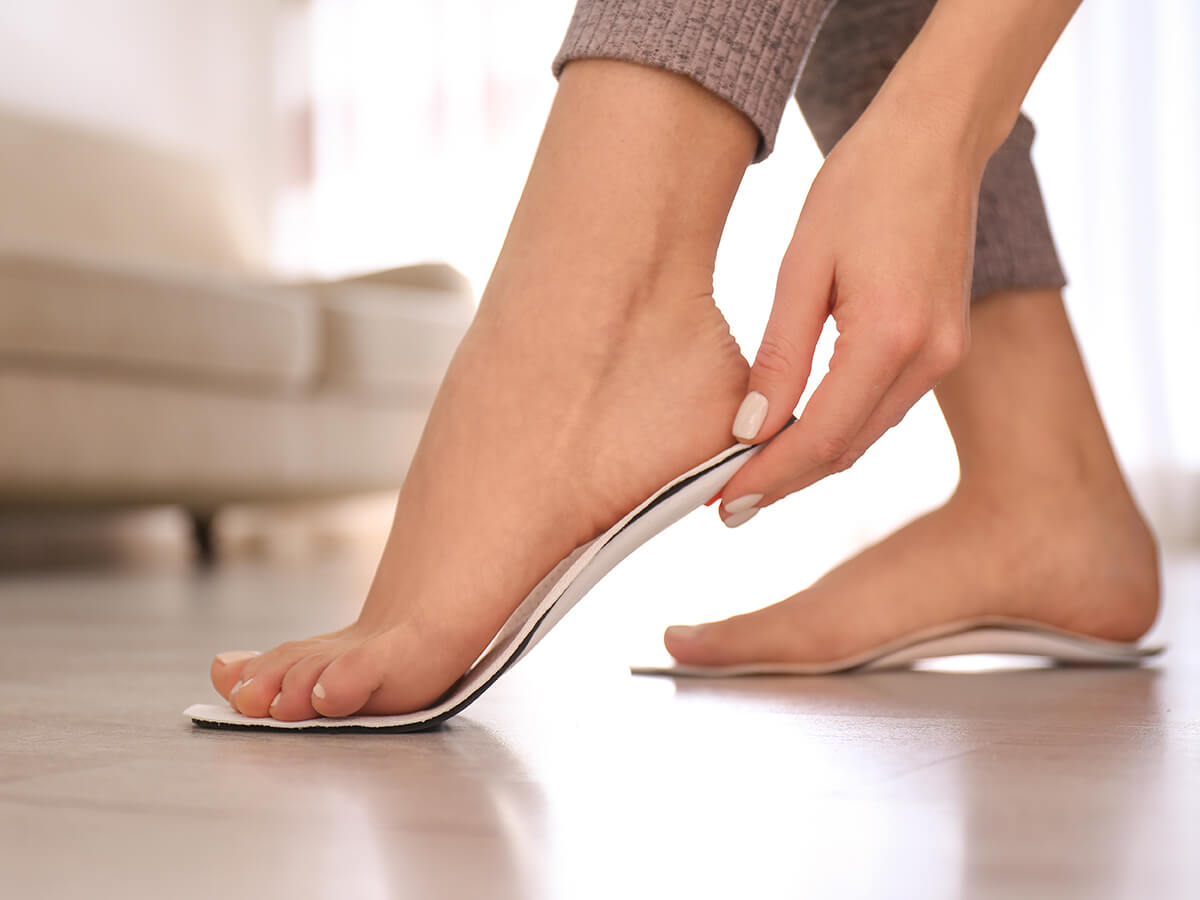
Addressing the root cause of postural slouching requires a focus on the feet. Once the base is stabilized, the rest of the body can return to its natural, efficient state. These steps focus on realigning the body from the ground up using professional tools and consistent habits.
- Custom Orthotic Intervention
Prescription inserts are designed to correct the specific structural flaws of your unique foot shape. Unlike store-bought pads, these devices provide targeted support to lift arches and level the heels. Professional custom orthotics are a proven method for realigning the ankles and stabilizing the hips.
- Investing in Supportive Footwear
The shoes you wear daily should provide a firm heel counter and adequate arch support. Avoid flat, unsupportive shoes that allow the foot to splay or collapse during movement. Choosing footwear for postural support ensures that your kinetic chain remains protected during every step you take.
- Strengthening the Intrinsic Foot Muscles
Performing simple exercises like toe curls or towel scrunches can build the muscles that support the arch. Stronger feet are better equipped to maintain alignment without relying solely on external braces. Intrinsic foot muscle exercises help create a self-sustaining foundation for better standing habits.
- Regular Gait Analysis
Consulting a specialist for a walking assessment can reveal hidden imbalances in how you move. Professionals use digital pressure mats to see exactly where your weight falls. Clinical gait assessments provide the data needed to create a precise plan for improving your overall physical carriage.
- Postural Awareness Training
Learn to stand with your weight distributed evenly between the ball and the heel of each foot. Avoiding the habit of leaning on one leg prevents the pelvis from tilting to one side. Mindful standing techniques reinforce the work done by orthotics and help lock in your new alignment.
- Stretching the Posterior Chain
Tight calves and hamstrings pull on the feet and the lower back, creating a cycle of misalignment. Regularly lengthening these muscles reduces the tension that causes arches to collapse. Stretching for foot-posture health ensures that the connective tissues remain flexible and responsive to structural changes.
Maintaining proper alignment is a continuous process that begins with the feet. According to Statistics Canada, musculoskeletal disorders are a leading cause of disability, yet many of these issues start with simple, correctable gait imbalances. By paying attention to shoe wear, hip pain, and arch height, you can prevent the cascade of discomfort that travels up the kinetic chain. A stable base is the most effective tool for achieving a pain-free spine and improved mobility throughout your life.
Prioritizing your foundation today prevents complex structural failures in the future. Professional assessment is the most reliable way to determine if your feet are the hidden cause of your back or neck pain. For a comprehensive evaluation and personalized care, reach out to Davisville Yonge Clinics, contact at (416) 481-6100.